

How Much Does a Fence Cost in the La Crosse Area?
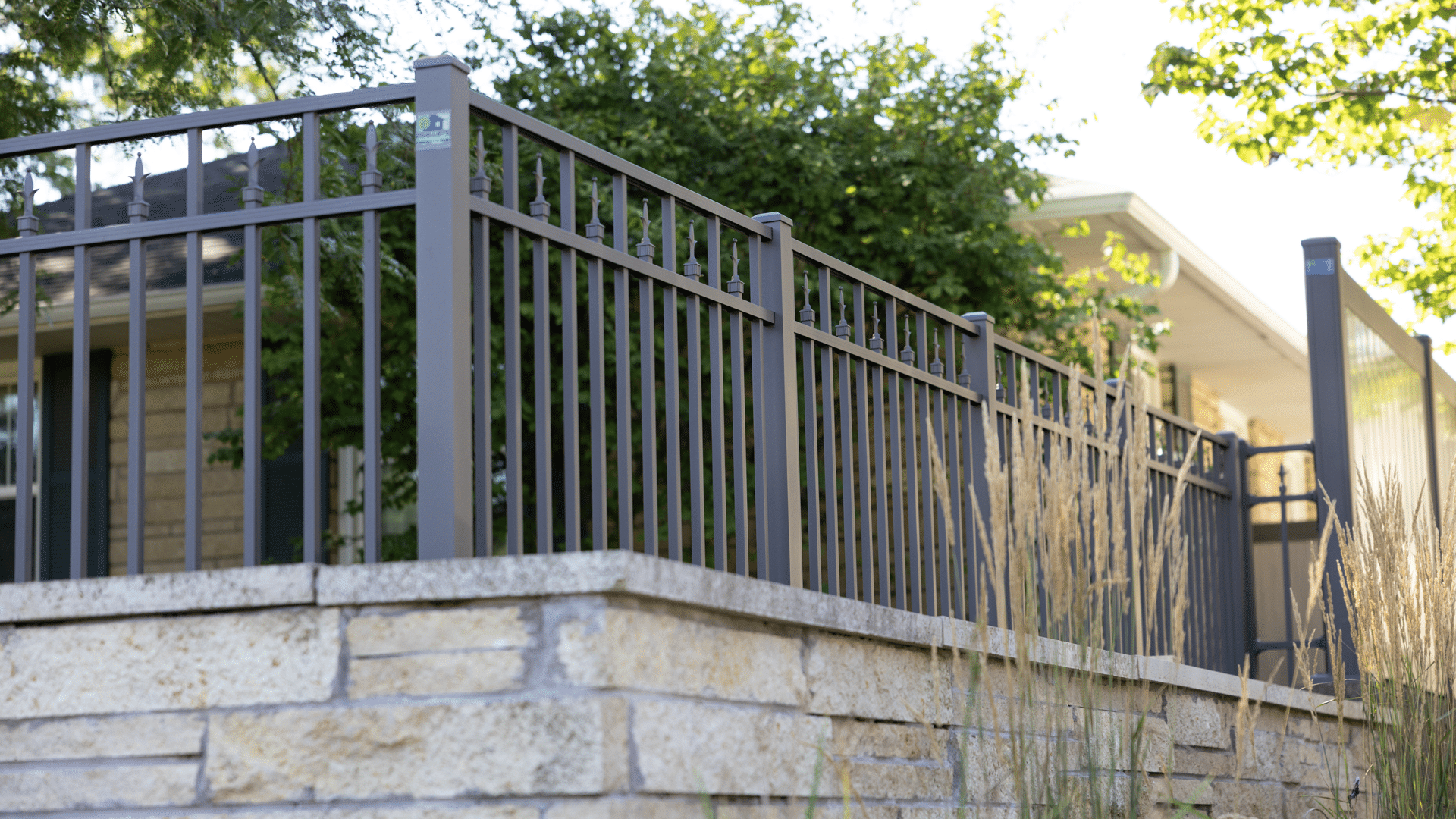
Maybe you’d like to enjoy your morning coffee on the patio without making it a neighborhood event. Maybe your dog considers the property line more of a suggestion. Or maybe your old fence is leaning so much you’ve started describing it as “rustic” or “vintage.”
You can picture a yard that works better for you. Now comes the practical question: How much will a fence cost?
Fence pricing depends on the material, style, height, total length, gates, and conditions of your property. Privacy fences generally require more material than comparable open designs, and the installed cost per linear foot changes with the scope of the project.
That’s the honest starting point. Now let’s turn “it depends” into something you can actually use.
Fencing Is Where Phillips Started
Phillips began installing fences in 1975, long before anyone could type “privacy fence cost” into a search bar. Fencing is our oldest service line and still what many people know us for best.
Over the years, we’ve expanded into other services to help our community care for and enjoy their properties. Fencing remains a big part of that work: helping our neighbors in La Crosse, Onalaska, Holmen, and West Salem create spaces that feel more private, useful, and their own.
More than 50 years of experience has taught us to start by listening. Tell us what you want your yard to feel like and what you need the fence to do. We’ll work through the options together.
And that conversation can happen in any season. Many fence styles can be installed year-round, including winter. More on that below, so keep reading!
How Much Does a Privacy Fence Cost?
Privacy is the goal. The material and design you choose determine much of what getting there will cost.
A straightforward wood privacy fence, a standard white vinyl fence, and a premium vinyl design with decorative details can all create privacy. They can also have very different prices.
The biggest cost drivers include:
- Material and product quality. Wood species and grade, vinyl construction, finishes, and the components within a fence system affect the investment.
- Height and coverage. Taller fences and solid panels generally use more material than shorter, open designs. Compare similar heights and levels of privacy.
- Style and detail. Lattice tops, decorative accents, premium colors, custom layouts, and more intricate construction can increase material costs, installation time, or both.
- Your property. Slopes, difficult access, challenging ground conditions, and removing an existing fence can add work.
- Gates. Their quantity, width, construction, and hardware can meaningfully change the total.
You might only need privacy along one patio edge to get the breathing room you’re after. Starting with how you use the yard can help us find a practical layout before you commit to a material.
Our Phillips Project Estimator can give you an initial range and a little less guesswork. Your final proposal accounts for the actual measurements, selections, gates, and conditions of your property.
What Does a Fence Cost Per Linear Foot?
A linear foot is simply a foot of fence length. A 100-foot fence run contains 100 linear feet, regardless of its height.
The basic calculation is:
Total installed project price ÷ total fence length = average installed cost per linear foot.
That average is useful, but it includes more than the posts and panels between them.
Longer fence runs can lower the per-foot price
At Phillips, we generally charge a little less per foot for labor and materials as the total footage increases on otherwise comparable projects. Longer runs can let us work more efficiently, and we reflect that in the pricing.
A larger project will usually still cost more overall. It may simply cost less for each foot installed.
That’s why a short enclosure and a much longer backyard fence won’t necessarily carry the same per-foot rate, even when the material matches.
Gates change the math
Gates are where a simple per-foot comparison can get skewed.
A gate has to swing smoothly, close securely, and stand up to repeated use. That takes a frame, hinges, a latch, supporting components, thicker material posts, and 5000 psi wet concrete. Its materials and hardware cost significantly more than an equivalent stretch of ordinary fencing.
Imagine two projects with the same total footage. One has a single walk gate. The other includes two walk gates and a wide double gate for equipment access. The second project will have a higher average cost per foot, even if the fence panels are identical.
When comparing estimates, ask whether the per-foot figure includes gates, installation, removal, and the same scope of work. A materials-only price and a complete installed price answer different questions.
What Do Wood, Vinyl, Aluminum, and Chain-Link Fences Cost?
Choosing a material gets us started. The particular product and design help determine the price.
Here’s what to keep in mind as you compare your options.
Wood
- What affects the initial investment: Species, lumber grade, height, board layout, and construction detail. Premium cedar and custom designs can change the comparison substantially.
- What belongs in the ownership budget: Cleaning, finish maintenance when applicable, board or post repairs, and eventual replacement.
Vinyl
- What affects the initial investment: Height, panel construction, color, texture, and decorative features. Premium finishes can cost more than standard white designs.
- What belongs in the ownership budget: Periodic cleaning, gate and hardware care, and repairs if damaged; no routine staining.
Aluminum
- What affects the initial investment: Height, product grade, picket and rail design, finish, and gates. Often a higher initial investment than basic chain link.
- What belongs in the ownership budget: Cleaning, hardware checks, and attention to damaged finishes or components.
Chain link
- What affects the initial investment: Height, wire gauge, framework, coating, and gates. Basic configurations are often among the most economical choices.
- What belongs in the ownership budget: Checking gates, tension, coatings, and damaged sections; repairs as needed.
Keep your original goal in the picture, too. Standard chain link and open ornamental aluminum preserve views. Solid wood and vinyl designs can provide privacy. A lower price is helpful only if the fence does the job you need it to do.
What Will Your Fence Cost to Own?
The proposal tells you what it costs to get the fence installed. It’s also worth looking ahead at what you’ll spend during the years you expect to own it:
Installation + maintenance + repairs + any replacement needed during that period.
Wood deserves particular attention here. It offers natural character and design flexibility, but maintaining a finished appearance involves recurring work. Cleaning, staining or sealing as appropriate, and repairing deteriorated components all belong in the budget. Cedar has natural decay resistance, but it still benefits from appropriate care. The Western Red Cedar Lumber Association provides guidance on finishes and protection.
If you handle maintenance yourself, count your time and supplies. The “I’ll do it myself” option still comes with a shopping list and a claim on your Saturday. If you’d rather hire it out, include that expense in the comparison. Also, remember that staining means you have to have to be on both sides of the fence, which means if your fence is only a few inches off the property line, you need to ask your neighbor’s permission for access, and sometimes that comes at the cost of their favorite bottle of wine or six-pack of beer.
Vinyl and aluminum can reduce recurring finish work. They still need cleaning and attention to gates and hardware, as manufacturer care guidance here and here explain. Lower maintenance can help offset a higher initial price over time.
Replacement matters as well. If a wood fence needs rebuilding during your ownership while an alternative remains serviceable, removal and replacement can erase an initial saving. That outcome depends on product quality, installation, exposure, and care; it is not automatic.
You may love the look of wood and be happy to care for it. You may prefer to spend that time enjoying the yard. Both are useful things to know before choosing.
Ask yourself: What will this fence cost me to own, and how much upkeep am I comfortable taking on?
How Does Fence Choice Affect Resale Appeal?
Your fence is part of what people notice when they pull up to your home. It helps frame the yard and sets an expectation about what’s beyond the gate.
Basic chain link can be a sensible, economical solution for containment. Its functional appearance may be less appealing in a neighborhood where buyers expect decorative fencing or privacy. In that setting, choosing the lowest initial price could work against the impression you want to create.
Ornamental aluminum often costs more upfront, but its clean lines and open appearance can complement the home and landscaping. It may strengthen buyer appeal where that style fits the property.
Curb appeal and resale price are not interchangeable. Neither material guarantees a significant increase or decrease in home value. Condition, neighborhood expectations, buyer preferences, and the fence’s usefulness all matter. Homes.com discusses those factors, including why a fence that suits one property may be a poor fit for another.
Choose something that serves you well today and looks appropriate for the home. If selling soon is a major consideration, a local real estate professional can help assess buyer expectations.
Yes, Many Fences Can Be Installed in Winter
Your fencing plans don’t have to hibernate. Many projects can move forward well before spring.
Phillips can install many fence styles throughout the year, including during Wisconsin winters. The right timing depends on the selected system, site access, ground conditions, and weather. Our team can evaluate whether your project is suitable for winter installation.
Your need for privacy or a fenced yard doesn’t disappear when the temperature drops.
If you’ve ever stood outside in January holding a leash while the dog carefully evaluates seventeen identical patches of snow, you already understand the appeal. If winter works for your project, you may be able to enjoy the finished fence before the next outdoor season begins. Any seasonal effect on installation requirements and pricing belongs in your project discussion; winter alone does not guarantee a lower price.
A Simple Plan for Your Fence Budget
You don’t need to spend your evenings studying fence catalogs before reaching out. A rough idea of what you want is enough to start the conversation.
- Tell us what you want the fence to do. Privacy, pet containment, appearance, or a combination will guide the options.
- Start with a planning range. Use our Project Estimator and consider the layout and gates you need.
- Talk with a Phillips Client Guide. We’ll work through materials, ownership costs, property conditions, and timing to develop a proposal for your project.
A good fence means you can settle into the patio, give the dog room to roam within the yard, or finally enjoy a little more privacy. Understanding the cost helps you make a comfortable decision about getting there.
Start a conversation with Phillips. Bring us your ideas, your questions, and whatever you know about the yard. We’ve been helping our neighbors figure out the fence part since 1975.
Frequently Asked Questions About Fence Costs
How much does a privacy fence cost?
The total depends on material, height, design, footage, gates, and site conditions. A standard design and a premium decorative design can create similar privacy at different prices. Start with a planning range, then confirm the details in a project-specific proposal.
What is the installed cost per linear foot?
It’s the total installed project price divided by the fence length. There isn’t one rate for every fence. Check whether the price you’re comparing includes gates, removal, labor, and the same materials and scope.
Does installing more fence reduce the price per foot?
At Phillips, generally yes for otherwise comparable projects. We charge a little less per foot for labor and materials as footage increases. You’ll usually still spend more overall for a longer fence, but each foot may cost a little less.
Why do gates increase the average cost per foot?
Gates require more expensive construction and hardware than ordinary fence sections. More gates, wider openings, and upgraded hardware increase the project total without adding much—or any—overall fence length.
Which fence material costs the least?
Basic chain link is often among the least expensive options initially. Wood, vinyl, and aluminum pricing varies with specifications and design. Compare the same scope, and include maintenance and potential replacement in your decision.
Can a higher-priced fence cost less to own?
Yes. Reduced maintenance and fewer repairs or replacements may offset a higher installation price. The result depends on how long you own the fence, product quality, exposure, and care.
Will an aluminum fence increase my home’s resale value?
It can enhance appearance and buyer appeal when it suits the property. A specific resale gain is not guaranteed. Choose based on your needs and local expectations rather than assuming the installation will pay for itself at sale.
Can Phillips install a fence during winter?
Yes, many styles can be installed in winter. Our team evaluates the fence system, access, ground conditions, and weather to determine a suitable installation plan.
Tags: