

Your Best Spring Lawn Starts Before the Snow Flies
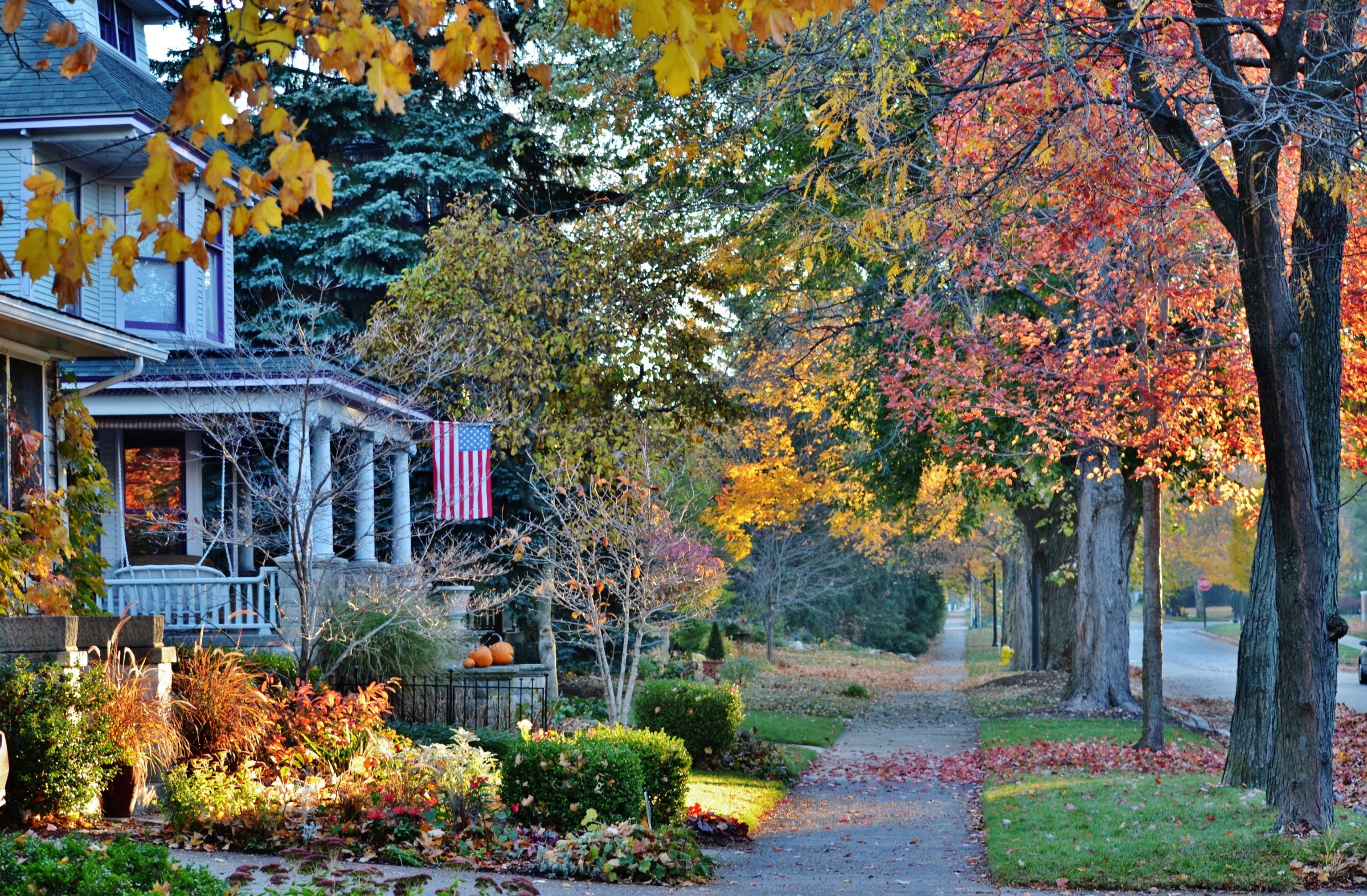
You probably don’t dream about fertilizer. Or spend your commute thinking about the microscopic activity happening beneath your grass.
You picture a yard that feels good under bare feet. A place for the kids to play, the dog to roll around, and friends to gather without someone asking, “Is that patch supposed to look like that?”
That’s what lawn care is really about: making the space outside your home easier to enjoy.
Here in La Crosse, Onalaska, Holmen, and throughout the Coulee Region, fall is an opportunity to help that space recover from summer. But the timing matters. Mowing, aeration, overseeding, and fertilization don’t all belong on the same late-October Saturday.
Here’s how to give your lawn some useful attention before winter—and how Phillips can help you handle the work.
Keep Mowing. Your Lawn Hasn’t Checked the Football Schedule.
Cooler evenings don’t automatically mean the mower gets the rest of the season off. Keep mowing while your grass is growing, adjusting the frequency as growth slows.
For a typical lawn in our region, around 3 inches is a practical mowing target. Avoid giving it a dramatic buzz cut before winter.
- Follow the one-third rule. Remove no more than one-third of the grass blade at a time. For a 3-inch lawn, mow before it exceeds about 4½ inches.
- Use sharp blades. A clean cut is better for the grass than torn, ragged tips.
- Return small clippings to the lawn. They contribute nutrients as they decompose. Break up or remove heavy clumps.
- Change your mowing direction. Repeatedly following the same tracks can contribute to compaction.
These practices support healthier, denser turf. University of Minnesota Extension’s mowing guidance provides the regional basics.
We can handle mowing and adjust the routine as the season changes, keeping your yard cared for while you enjoy your weekends.
Manage the Leaves Before They Become a Blanket
A few scattered leaves are manageable. A thick, wet layer covering the grass needs attention.
Mulch modest amounts with your mower so the pieces settle into the lawn and grass remains exposed. Collect excess leaves that would bury it. UW–Madison Extension recommends prompt leaf removal or mulching to preserve light reaching the turf. See its lawn maintenance guidance.
How Phillips helps: Fall cleanup and leaf management can be part of your seasonal plan. You get the autumn scenery without inheriting every leaf as a weekend assignment.
Granular Aeration: Put Soil Health on the Fall To-Do List
A greener lawn starts with attention to what’s happening beneath it. Soil deserves a place on your fall checklist, even if it rarely gets compliments from the neighbors.
Phillips offers granular aeration, also known as microbial aeration. This soil-care treatment is applied as granules and is intended to support beneficial microbial activity as part of a broader lawn-health program.
The application leaves your lawn’s surface intact, with no soil plugs scattered across the yard. Product directions, soil conditions, and moisture needs guide the timing and follow-up care.
If your lawn has persistent bare spots, severe compaction, or drainage problems, start with an assessment. Those conditions may require additional corrective work. When overseeding, preparing the surface so seed reaches soil remains a separate, essential step.
We can assess your lawn, recommend whether granular aeration fits its needs, and coordinate the application with your fertilization and overseeding plan. You get a clear path forward without having to become a soil scientist on the weekends.
Overseeding: Fill the Thin Spots While There’s Still Time
Overseeding adds grass seed to an existing lawn to improve thin areas. Before spreading seed, ask why the grass disappeared. Shade, compaction, drainage, or unsuitable grass varieties can leave you repairing the same spot repeatedly.
Choose seed suited to the site and prepare the surface so seed contacts soil. Raking small areas or using appropriate seeding equipment can help achieve that contact. Granular aeration does not create planting holes or replace seedbed preparation. UW–Madison Extension’s overseeding guidance explains why soil contact matters.
Plan for late August through early September. Wisconsin Extension generally places the outer edge of the usual fall seeding window around September 10–15 across much of the state. Waiting longer increases the risk that seedlings won’t establish before winter. Plan your seeding around that establishment window; schedule granular treatments according to their product directions and your lawn’s conditions. See Extension’s fall timing guidance.
After seeding, keep the seedbed consistently moist while grass establishes. Seed needs follow-through, even after the equipment leaves. UW Extension’s overseeding tips cover establishment care.
We can help with seed selection, preparation, overseeding, and a watering plan. If the ideal window has passed, we’ll help plan the next suitable opportunity.
Fertilize With a Plan—More Isn’t Better
Early September is a key fertilization period for Wisconsin lawns. The right approach depends on your grass, its condition, and what you’ve already applied this year.
- Use soil testing to guide nutrient needs. Choose phosphorus-free fertilizer for an established lawn unless testing supports a need.
- Measure the lawn and follow the label. Match the rate and spreader settings to the product; don’t add an extra pass for good luck.
- Keep fertilizer on the lawn. Sweep stray granules off pavement and follow watering instructions.
UW–Madison Extension’s lawn maintenance guide explains fertilizer selection and application.
Don’t assume a bag labeled “winterizer” belongs on the lawn whenever winter feels close. Extension cautions that early- to mid-October fertilization can stimulate growth that increases winter-damage risk. If you’ve missed the early-fall window, get advice before applying. Read its fall timing guidance.
Also, newly seeded areas need their own plan. Fertilizer rates and weed-control products appropriate for established turf can harm seedlings. UW Extension discusses those renovation considerations.
How Phillips helps: We can plan and apply fertilization around your lawn’s needs, coordinate it with overseeding, and help take the guesswork out of what goes down and when.
You Bring the Vision. We’ll Help With the Yard Work.
Maybe you enjoy mowing but want help with aeration and overseeding. Maybe your fall calendar is already full, and you’d like someone to handle the whole lawn-care list.
Phillips can help with mowing, lawn health, granular (microbial) aeration, overseeding, fertilization, and fall cleanup. We’ll help you prioritize the work your property needs and put it in the right order.
Getting started is simple:
- Tell us what you want to improve. Thin grass, recurring trouble spots, or simply less work on your plate.
- Build a practical plan with us. We’ll consider your lawn, timing, and priorities.
- Let us help carry it out. Choose the services that fit your needs.
You don’t need to become the neighborhood turf expert to enjoy a healthier yard.
Connect with Phillips to start your fall lawn-care plan. Give next spring something better to uncover—and give yourself more time to enjoy fall while it’s here.
Frequently Asked Questions About Fall Lawn Care
When should I stop mowing my lawn in the fall?
Keep mowing as long as your grass is growing. Let the lawn set the schedule—even if you’re ready to trade the mower for a recliner. Around 3 inches is a practical target for a typical lawn in our region, and you should remove no more than one-third of the blade at a time.
Do I need to rake every leaf off my lawn?
No. Modest amounts can be chopped with your mower and left to break down, provided the grass remains exposed. Collect excess leaves before they form a heavy layer over the turf. Phillips can help with leaf management and fall cleanup when your trees get a little too generous.
What kind of aeration does Phillips offer?
Phillips offers granular aeration, also known as microbial aeration. It’s a granular soil-care treatment intended to support beneficial microbial activity as part of your lawn-health plan. The application leaves the surface intact, without pulling soil plugs. We’ll help determine whether it fits your lawn’s needs and explain the follow-up care.
Can granular aeration take the place of preparing my lawn for seed?
Seedbed preparation is still necessary. Granular aeration does not create planting holes, so seed needs another way to reach the soil. We’ll help coordinate surface preparation, seed selection, and watering so your overseeding plan includes more than scattering seed and crossing your fingers.
When is the best time to overseed in the Coulee Region?
Plan for late August through early September. New grass needs time to establish before winter, so waiting until late fall adds risk. If you’ve missed that window, contact Phillips to discuss the next suitable opportunity for your property.
Should I fertilize every fall, even if I’m overseeding?
The right plan depends on your lawn’s needs and what has already been applied. Early September is an important feeding window, but newly seeded areas need special attention to product selection and rates. Phillips can coordinate fertilization with overseeding so the two support the same goal.
Can Phillips handle just part of my fall lawn care?
Absolutely. If you enjoy mowing but would like help with granular aeration, overseeding, or fertilization, we can build a plan around that. If you’d prefer help with the full list, including mowing and fall cleanup, we can discuss that too. The goal is a yard you enjoy and a plan that fits your life.
How do I get started with Phillips?
Connect with our team and tell us what you’d like to improve. You don’t need to diagnose the lawn first. Share what you’re seeing, what you want the yard to feel like, and how much of the work you’d like help with. We’ll guide you toward the next step.
Tags: